
Why I Get Up – putting the person at the centre of support planning
FitzRoy’s Living My Life meetings are changing how support plans are created – starting with what matters most to the person and the life they want to live.
At FitzRoy we believe people should be at the heart of every decision about their lives. That sounds simple, but in social care it is easy for meetings to become focused on paperwork, updates and processes. Plans can become lists of tasks rather than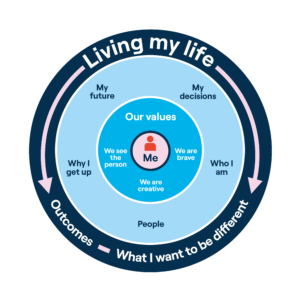 reflections of a person’s life.
Through Living My Life, we are helping teams refocus those conversations – bringing the person back to the centre.
In the East Midlands, Warren and his team have been highlighting good practice that many staff already do, but reframing it through the “Why I Get Up” lens of Living My Life.
Conversations not checklists
Review meetings often focus on the practical things organisations like FitzRoy are responsible for – medication, appointments, daily routines and risk assessments. All of these things are important as they help keep people safe and supported, but they do not tell the whole story of someone’s life.
Living My Life meetings focus on the bigger picture – with the person and what matters most to them.
What matters to someone
In social care we often talk about what is important for someone – eating a healthy diet, staying safe, attending appointments or maintaining routines.
Living My Life also asks what is important to them.
- What do they enjoy doing?
- What gives them energy?
- What makes them laugh?
- What gives them a reason to get up each day?
These conversations help ensure support plans reflect the whole person – their interests, passions, relationships and ambitions.
Led by the person
Each meeting is shaped by the unique wishes and needs of the person themselves. They choose where the conversation happens, whether it is a quiet spot in their home or somewhere they enjoy spending time, like a favourite café. They decide who they would like to be there, such as family members, friends, staff they trust or other professionals involved in their support.
The conversation starts with what is going well, before exploring what could be better and what the person would like to change.
Questions might include:
- What makes a good day for you?
- What would you like to try this year?
- What would make life easier or better?
- What does good support look like for you?
Seeing the whole person
Meetings about people we support can often focus on what is not going well – incidents, concerns or challenges. Living My Life encourages teams to also bring what is going well into the conversation.
At a recent multi-disciplinary meeting, staff made sure the discussion included positive things happening in the person’s life – including a new relationship and an upcoming holiday. It helped ensure everyone around the table remembered they were talking about a person with a full life, they were not just a list of problems to solve or challenges to overcome.
Living My Life meetings are flexible because every person is different.
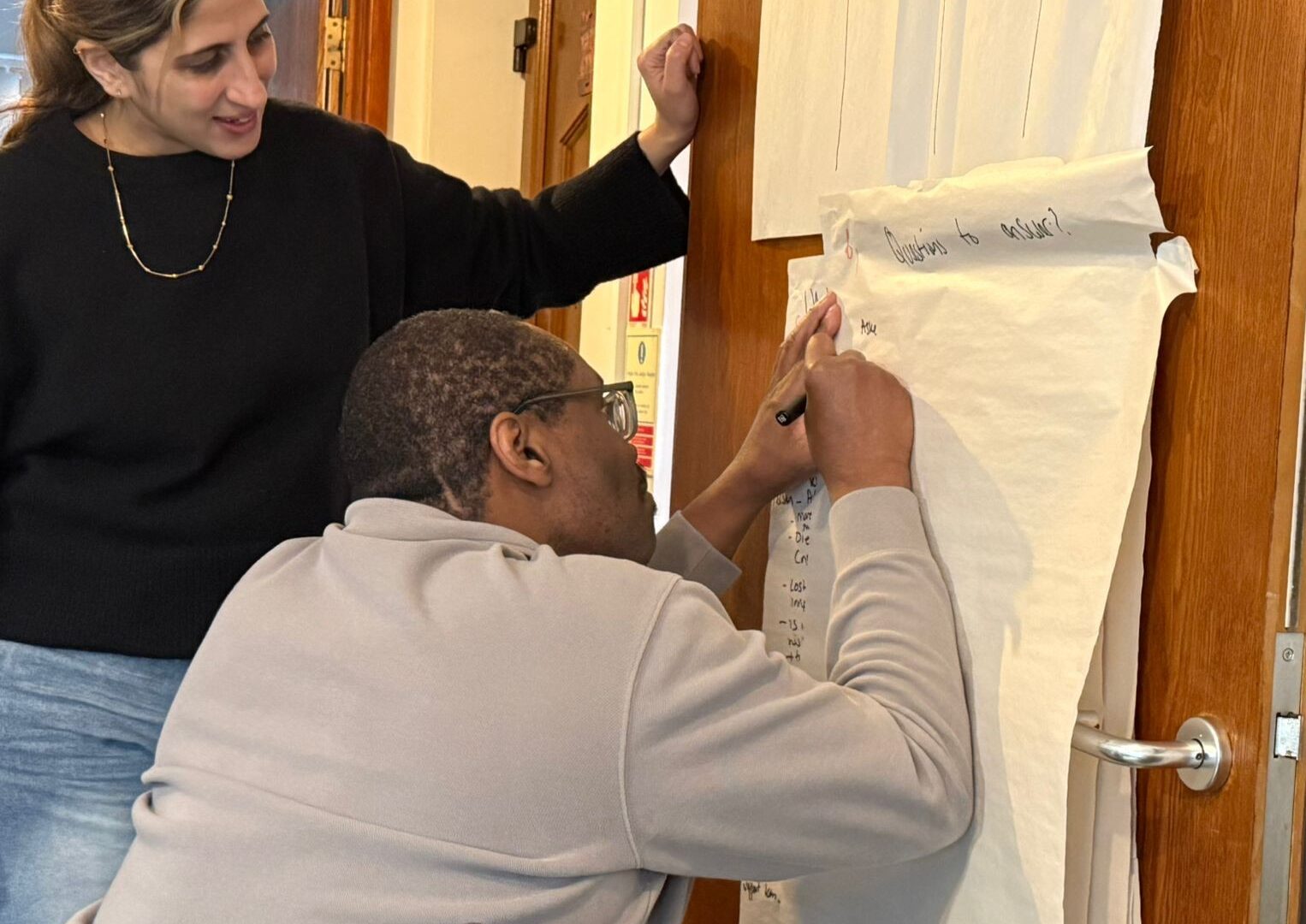
For some people, writing ideas on large sheets or using visual tools works well. For others it might feel confusing or overwhelming. Area manager Warren remembers one meeting with a person who loved trains, so the conversation took place during a quiet train journey.
What matters is not the format of the meeting, but that it works for the person.
Including everyone
Staff sometimes ask how this approach works for people who do not communicate verbally. The answer is that they can still be at the centre of the meeting. The meeting can still take place somewhere they enjoy, with people they know and trust.
Staff and family members can talk together about what they know the person enjoys, what they respond positively to and what may need to change – while still paying close attention to the person’s non-verbal cues and reactions.
Feeling heard
People supported by FitzRoy have told us they enjoyed the meetings and valued having the chance to talk about what matters to them.
Wayne, who lives at Bolero Court in Nottingham, said:
I enjoyed myself and would like more meetings like this.
Cherill said:
I liked the information on the wall to write on. My ‘link’ meetings will now be like these reviews too.
Staff tell us this approach helps them understand people better, with support plans that feel clearer and more meaningful because they connect directly to the person’s goals and aspiration.
This is what good looks like
Living My Life is not about introducing a complicated new process. It is about something much simpler – making sure the person’s voice is the strongest one in the room.
When the conversation starts with what matters to someone – their interests, hopes and ambitions – their support becomes more personal, more meaningful and focused on the life they want to live.
And that is what Living My Life is all about.