
Words to put in the bin
“If you wouldn’t use these words about yourself, don’t use them about us.”
Recently members of our Nationwide Forum – a group of people we support who come together to share their views and help shape the future of FitzRoy – had a conversation about language.
They talked about words and phrases that are often used across health and social care that they don’t like and don’t feel reflect who they are.
They told us: if you wouldn’t use these words about yourself, don’t use them about us.
The words people want gone
Here are some of the words and phrases raised and why they don’t feel right.
- PWS as an acronym
Short for “person/people we support.” It might save time in an email but it doesn’t feel good, no one wants to be reduced to an acronym.
- Tenant
For some this feels like it takes away ownership. It’s their home, where they live their life. Saying “this is their home” feels very different from calling someone a tenant.
- Challenging
Challenging to who? When someone is described as challenging it can feel like they are the problem. Maybe they’re upset. or frustrated. Maybe they’ve had a bad day. Labelling the person instead of understanding the feeling doesn’t help.
- Service user
This can feel impersonal. User isn’t a word most of us would use about ourselves. When you add service it can make someone sound defined by needing support. Often just saying people is enough.
- Accessing the community
Most of us wouldn’t say we’re accessing the community. We say we’re going to the shops, meeting a friend or going for a coffee or to the pub. Everyday language reflects everyday lives.
- Vulnerable adult
Being described as vulnerable can feel limiting. People may need support at times – we all do – but that doesn’t make someone defined by vulnerability. They are also strong, capable and independent in many ways.
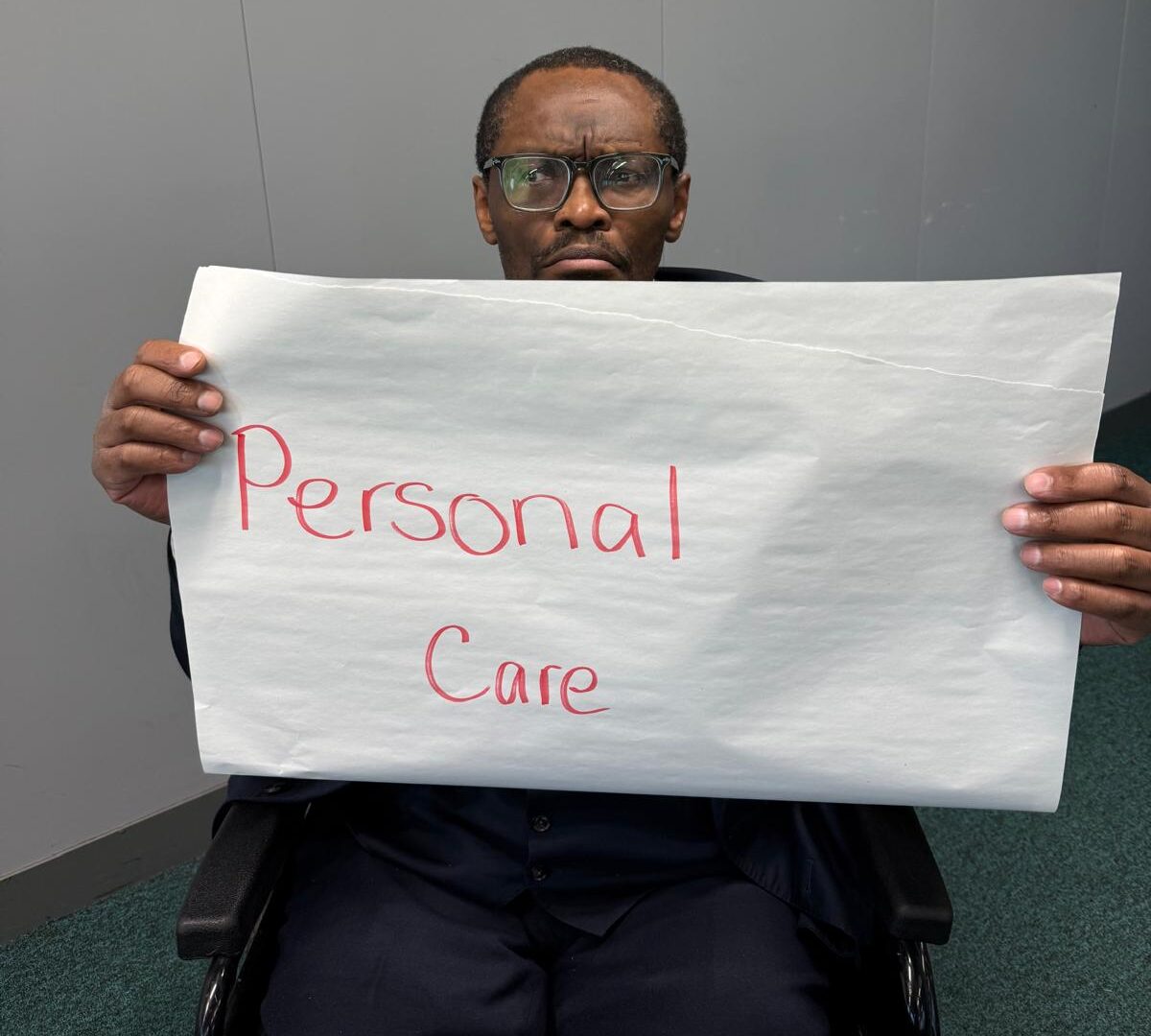
- Personal care
This can feel clinical and distant. In reality it’s about everyday things like helping someone to have a shower or get dressed. Plain language feels more natural and respectful.
- Disability
People shouldn’t be defined by what they can’t do. What they can do, their skills, interests, humour and achievements come first.
What this means for us
This isn’t about getting everything perfect, it’s about being thoughtful, listening and choosing words that feel respectful, everyday and human. It’s about recognising that even widely accepted sector language can feel different to the people it describes.
The most important voices in this conversation are the voices of the people at the heart of what we do.
Let’s keep asking ourselves: would I describe my own life this way?
If the answer is no, it might be time to put that word in the bin.